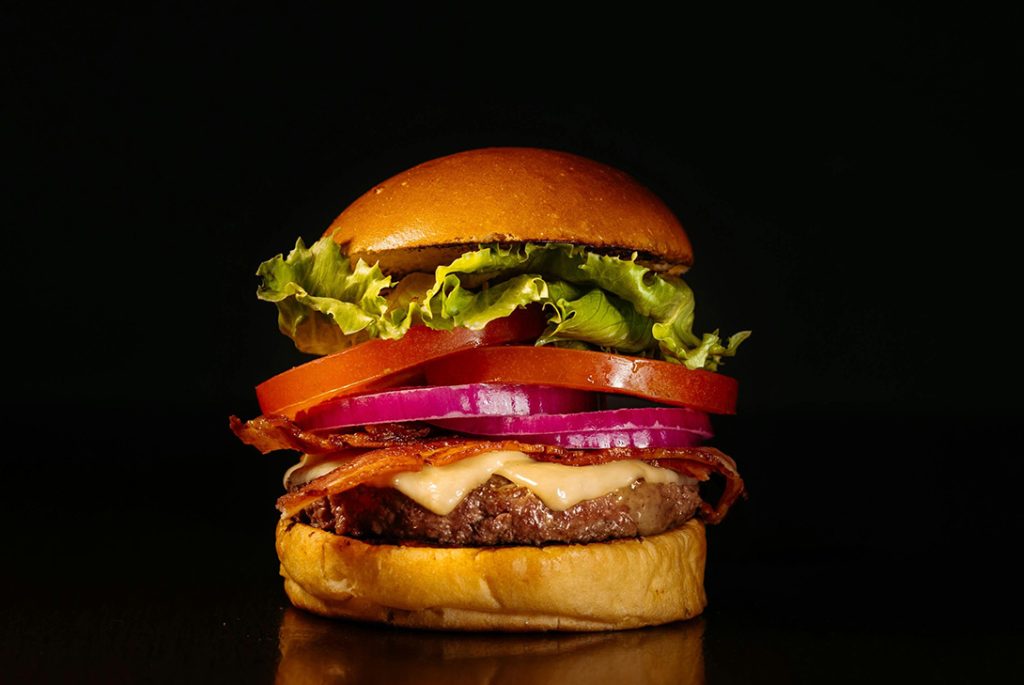
How Much Protein in a Burger?
August 15, 2025
Understanding Protein in a Burger
When you think of a burger, you probably picture sizzling patties, melted cheese, and a warm bun. But beyond flavor, burgers are a significant source of protein, a nutrient your body uses daily to repair cells, build muscle, and produce enzymes and hormones.
The protein in your burger largely comes from the patty, and the type of meat (or plant protein) you choose can dramatically change the numbers.
Protein content isn’t just a random figure; it reflects the quality and type of ingredients in your burger. A lean beef patty, for example, will have more protein per ounce than one loaded with fillers like breadcrumbs or starch.
Why Protein Matters for Your Diet
Protein is like the structural steel of your body—it holds everything together. It repairs tissue after exercise, helps maintain a healthy metabolism, and plays a role in keeping you satisfied between meals. Without enough protein, you might feel sluggish, experience slower muscle recovery, and even notice hair or nail weakness.
If you’re aiming for fitness goals, managing your weight, or simply staying healthy, understanding your protein intake is key. Burgers, when made right, can be a convenient and tasty way to get a solid protein boost.
What Counts as a “Burger” in Nutritional Terms
In nutrition discussions, “burger” refers primarily to the patty, which is the main source of protein. This can be made from beef, chicken, turkey, fish, lamb, or plant-based alternatives like soy or pea protein. The bun and toppings may add minimal protein unless you opt for extras like cheese, eggs, or protein-rich sauces.

Protein Content by Burger Type
Different burger types have different protein profiles. Let’s look at the most common options and what they bring to your plate.
Beef Burgers
A 4-ounce lean beef patty delivers about 20–23 grams of protein. That’s nearly half the daily protein requirement for some adults. Choosing leaner beef increases the protein-to-fat ratio, while fattier cuts will reduce it slightly but boost flavor.
Grass-Fed vs. Grain-Fed Beef
Grass-fed beef tends to be leaner and often contains slightly more protein per ounce compared to grain-fed. It also offers higher omega-3 fatty acids and a richer, earthier taste. Grain-fed beef can be juicier due to higher fat content, but it usually has slightly less protein by weight.
Chicken Burgers
Chicken breast patties are among the leanest options, packing 22–25 grams of protein per 4 ounces. They’re lower in saturated fat than beef, making them a great choice for people watching their cholesterol.
Turkey Burgers
Lean turkey burgers, especially those made from breast meat, provide 24–26 grams of protein per 4 ounces. They’re a favorite for fitness-focused eaters because they’re nutrient-dense and lower in calories.
Fish Burgers
Salmon, tuna, or mahi-mahi patties offer 20–22 grams of protein along with heart-healthy omega-3 fatty acids. They’re a flavorful alternative for those wanting variety without sacrificing protein.
Plant-Based Burgers
Plant-based burgers have evolved far beyond the old veggie patties that barely cracked 10 grams of protein.
Soy-Based
Soy patties provide 13–15 grams of protein. They’re a solid choice for vegetarians, though lower than most meat-based patties.
Pea-Protein Based
Pea-protein patties can rival beef at 19–21 grams per serving. They’re ideal for vegans or those cutting back on meat without sacrificing protein intake.
Factors That Change Protein Levels in Burgers
Patty Size and Thickness
A patty’s weight directly impacts protein content. A 6-ounce beef patty can easily reach 30–33 grams of protein, while a small 2-ounce fast-food patty might have only 10–12 grams.
Cooking Methods
Grilling, broiling, and baking all cause water and fat to cook out, slightly concentrating the protein per ounce. Frying can add calories from oil without significantly changing protein levels.
Add-Ons and Fillers
Some burger patties include fillers like breadcrumbs, oats, or starch to reduce costs. These dilute protein content. A 100% meat or high-quality plant protein patty will always give you the most protein per bite.
Average Protein Amount in Popular Burgers
Fast-Food vs. Gourmet Burgers
Fast-food burgers often use smaller patties with more fat and fillers, leading to 12–16 grams of protein in a basic burger. Gourmet restaurants, on the other hand, often use 6-ounce patties of pure meat, hitting 25–30 grams of protein easily.
Homemade Burger Protein Counts
When you make burgers at home, you control the protein content. Using lean ground meat and avoiding fillers can give you patties with 30+ grams of protein—especially if you double the portion size or choose protein-rich toppings.
Protein and Health Goals
For Muscle Gain
Athletes aiming for muscle growth often need 0.7–1 gram of protein per pound of body weight. A double-patty beef burger or a turkey burger with an egg on top can help hit those daily targets.
For Weight Management
Protein increases satiety, which can help curb overeating. Lean burgers (like chicken or turkey) provide high protein without a heavy calorie load, making them excellent for calorie-controlled diets.
Boss Bites – Burgers, Wraps & More in Waterford
In Waterford, Boss Bites – Burgers, Wraps & More is known for crafting burgers that don’t just taste incredible—they also pack serious protein power. Whether you choose a classic beef burger, a tender chicken sandwich, or a hearty plant-based patty, you’ll find options that fit your protein needs.
Burger Options and Protein Counts
At Boss Bites, a single beef patty burger can bring 22–25 grams of protein. Chicken and turkey versions can reach 26 grams, while plant-based patties still manage an impressive 18–21 grams.
Customizing for Higher Protein
Want to up your protein game? Boss Bites offers double patties, protein-rich toppings like fried eggs and cheddar cheese, and even high-protein sauces. You can build a burger that fits your exact nutritional goals without sacrificing taste.
How to Boost Protein in Your Burger
Double Patty Strategy
The simplest way to add protein? Add another patty. This can turn a 25-gram burger into a 50-gram protein powerhouse.
Lean Meat Choices
Choosing lean beef, chicken breast, or turkey gives you more protein per calorie. You’ll feel full without loading up on unnecessary fat.
High-Protein Toppings
Fried eggs add 6–7 grams of protein each, while a slice of cheddar brings another 6–7 grams. Even swapping regular mayo for Greek yogurt-based sauce can add extra protein.
Common Myths About Protein in Burgers
“Bigger Always Means More Protein”
A massive burger might look like a protein bomb, but if it’s loaded with fillers, the actual protein content might be lower than expected.
“Plant Burgers Can’t Match Meat Protein”
Modern pea-protein patties prove otherwise, offering nearly the same protein content as beef. The gap is closing quickly.
Boss Bites – Burgers, Wraps & More Serving the Waterford Community and Beyond in Sugar Land
Boss Bites – Burgers, Wraps & More is dedicated to serving the diverse needs of the local community of Sugar Land, including individuals residing in neighborhoods like Waterford. With its convenient location near landmarks such as the America Learning Center and major intersections like Old Richmond Rd. & Linenhall Dr. (coordinates: 29.6684472, -95.64276249999999), we offer local burgers near Sugar Land services.
Get Local Burgers at Waterford Now
Navigate from Waterford to Boss Bites – Burgers, Wraps & More Now
Maximizing Protein Potential in Every Bite
Protein in burgers isn’t one-size-fits-all. It ranges from 12 grams in a small fast-food burger to 35 grams in a gourmet or double-patty creation. By choosing high-quality ingredients, adjusting portion size, and adding protein-rich toppings, you can turn a burger into a nutrition ally.
In Waterford, Boss Bites – Burgers, Wraps & More shows that you can enjoy mouthwatering flavor and still meet your protein goals.
FAQs
1. How much protein is in a standard beef burger?
Around 20–23 grams for a 4-ounce lean beef patty.
2. Does cheese add much protein to a burger?
Yes, a slice of cheese can add 4–7 grams, depending on the type.
3. Which burger type has the highest protein?
Lean turkey or double beef patties often top the list, reaching 26–35 grams.
4. Does cooking affect protein content?
Slightly—grilling or broiling reduces water weight, concentrating protein.
5. Can I rely on burgers alone for daily protein?
Possible, but variety in protein sources is best for balanced nutrition.

Craving a Burger? Find Our Truck!
Check our location & grab a bite today!
or Contact Us at
(346) 622-9642