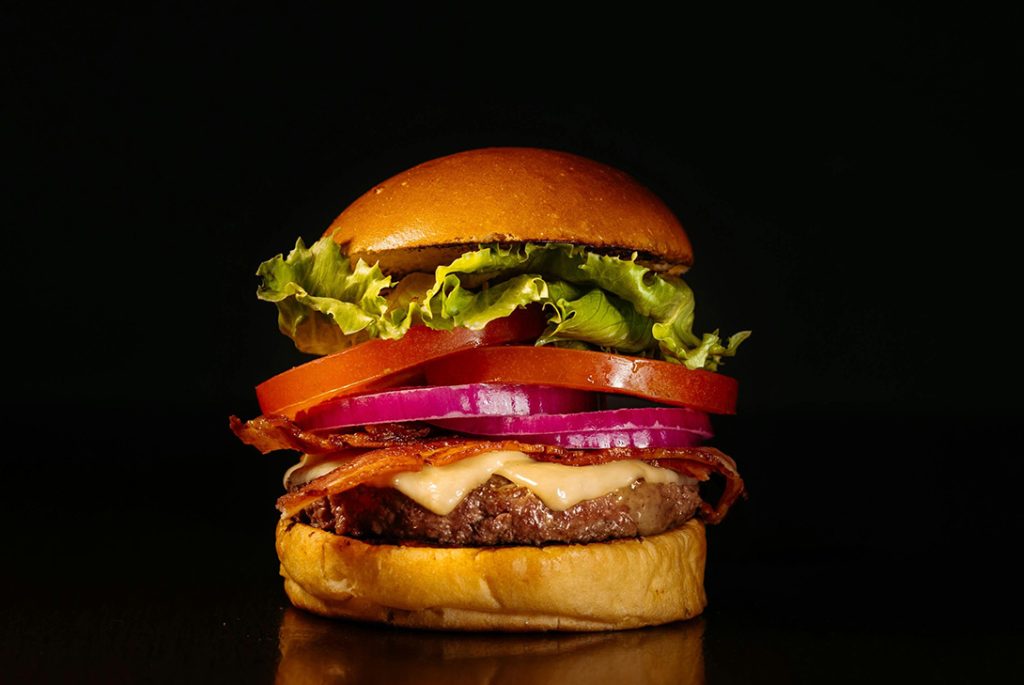
How to Heat a Burger
August 21, 2025
Why Burger Reheating Matters
Burgers are best enjoyed fresh, but sometimes you can’t finish them in one sitting. Maybe you ordered an extra from your favorite spot, or you just couldn’t resist grabbing one on the go. Now it’s sitting in your fridge, waiting for round two.
Reheating isn’t just about making it hot again — it’s about bringing back that perfect bite. The right approach keeps the patty juicy, the bun soft yet slightly crisp, and the cheese perfectly melted. Done wrong, you’ll end up with a dry hockey puck of meat and a bun that feels like a wet sponge.
Avoiding the Soggy Bun Trap
A soggy bun can ruin the burger experience. This happens when steam from the patty gets trapped inside the bread during reheating. Instead of a fluffy bite, you get mush.
To avoid this, separate the bun from the patty before reheating. Warm the bun on its own, preferably in a dry heat environment like a toaster oven or a skillet. This lets you control moisture levels and keep that light crispness.
The Science Behind Juicy Burgers
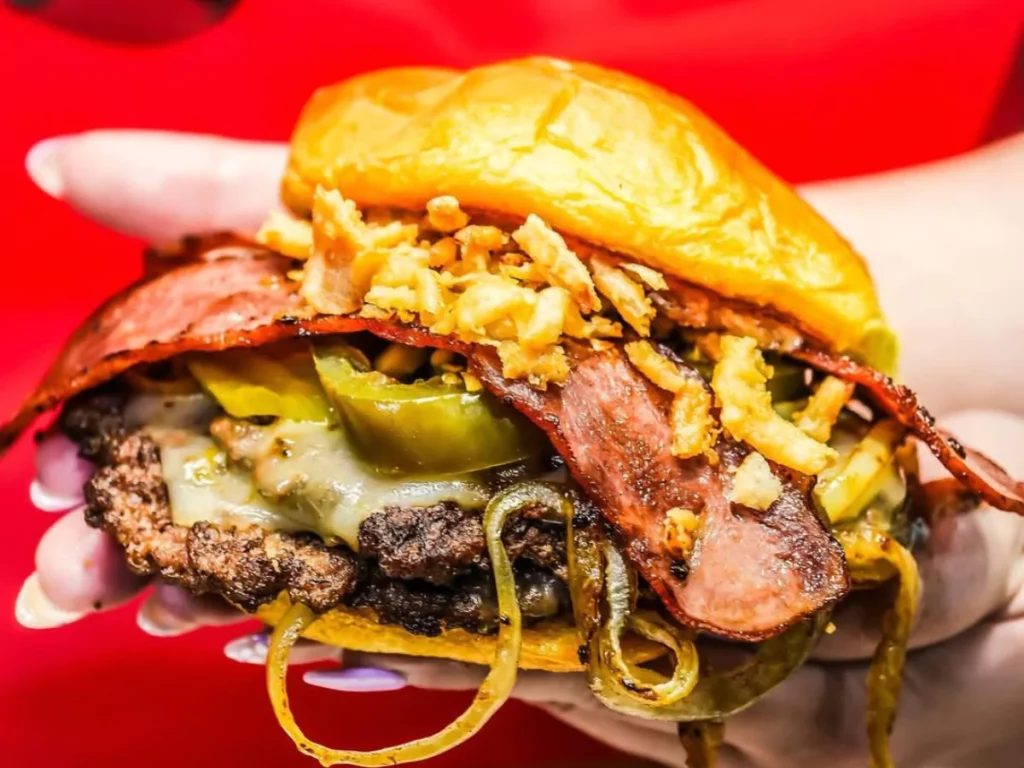
When a burger cools, the juices settle and the fat solidifies. If you blast it with high heat, those juices quickly evaporate, leaving you with a dry, crumbly patty.
Heat, Moisture, and Flavor Retention
Moisture is key — but it has to be balanced. Too little, and the patty dries out. Too much, and the bun turns limp. Controlled reheating methods like oven or stovetop steaming help retain juiciness without ruining the texture.
Preparing Your Burger for Reheating
Great reheating starts with proper prep.
Separating Components for Better Results
Before you start:
- Remove lettuce, tomato, onions, pickles, and other cold toppings.
- Separate the bun from the patty and cheese.
- Keep fresh vegetables in the fridge to re-add later.
Wrapping Techniques to Lock in Moisture
For oven reheating, wrap the patty in foil to trap just enough steam. In the microwave, a damp paper towel works well. Leave the bun unwrapped or loosely wrapped to prevent sogginess.
Reheating Methods for Burgers
There’s more than one way to bring a leftover burger back to life, and the right method depends on the time you have, the tools in your kitchen, and the texture you want. Below are the four most effective methods, with tips to keep your burger juicy and delicious.
Oven Method
If you have a little extra time, the oven is a great choice. It’s gentle, consistent, and less likely to dry out your burger than a blast of microwave heat. The oven also allows the patty to warm through evenly, while the bun gets a light toast. This method is especially good if your burger has cheese that you want to melt smoothly without scorching.
Step-by-Step for Oven Heating
- Preheat oven to 350°F (175°C).
This temperature is hot enough to warm the burger quickly but cool enough to avoid drying it out. - Wrap the patty in foil.
Wrapping keeps the moisture locked in while preventing direct exposure to dry oven air. - Place bun halves directly on the rack.
This lets heat circulate and prevents the bun from steaming. - Heat patty for 8–10 minutes.
Check at the 8-minute mark; larger patties may need a bit more time. - Toast bun for 2–3 minutes.
Keep an eye on them to avoid over-toasting. - Reassemble and add fresh toppings.
Once heated, put your burger back together and add cold veggies or sauces.
Pro Tip: If you want an extra melty cheese layer, place a slice on the patty for the last 2 minutes of heating.
Stovetop Method
The stovetop is perfect when you want a burger with a fresh-off-the-grill feel. Using a skillet allows you to add a bit of sear back to the patty while controlling the moisture.
Using a Skillet with Steam
- Heat skillet over medium.
Avoid high heat — it will brown the outside before the inside is warm. - Add patty with a teaspoon of water or broth.
This creates steam, which helps prevent dryness and reheats the patty faster. - Cover with a lid to trap steam.
Steam surrounds the patty and keeps it juicy while warming evenly. - Heat 3–4 minutes, flipping once.
Flip halfway to ensure even heating on both sides.
Pro Tip: Use beef broth for an added flavor boost, or add a dab of butter for richness.
Air Fryer Method
The air fryer is a fantastic modern option, especially if you want to crisp up the edges of your patty and restore the bun’s outer texture. The hot circulating air does a great job without making the inside dry — as long as you don’t overcook.
Achieving Crisp Edges
- Preheat air fryer to 350°F.
Preheating ensures even cooking right from the start. - Heat patty for 3–4 minutes.
Check at 3 minutes to avoid over-drying. For thicker patties, you might need an extra minute. - Toast bun separately for 1–2 minutes.
Adding the bun later prevents it from getting too hard or crunchy.
Pro Tip: If your burger has cheese, place it on the patty for the last minute in the air fryer for a perfect melt.
Microwave Method (Quick Fix)
If you’re in a rush and can’t wait for the oven or skillet, the microwave is the fastest solution. While it won’t give you the same crispy edges or fresh texture, it’s still possible to get a decent reheated burger with the right tricks.
How to Reduce Dryness in the Microwave
- Wrap patty in a damp paper towel.
This creates a gentle steam effect to keep the meat from drying out. - Heat in 20-second bursts.
This prevents overheating and lets you check the temperature gradually. - Stop when just heated through.
Going beyond this will quickly dry out the patty and make the bun rubbery.
Pro Tip: Remove the bun before microwaving and toast it separately for better texture.
Heating Frozen Burgers
Some leftovers end up in the freezer for later.
Defrosting the Right Way
Thaw overnight in the fridge for best texture.
Cooking Straight from Frozen
Heat in the oven at 300°F for 20–25 minutes. Toast bun separately.
Adding Flavor While Reheating
Reheating is a chance to improve flavor.
Sauces, Butter, and Seasoning Tricks
- Brush patty with melted butter.
- Add cheese near the end of reheating.
- Sprinkle extra seasoning for a fresh kick.
Safety Tips for Burger Heating
Food safety is as important as taste.
Internal Temperature Guidelines
Reheat meat to at least 165°F internally. Use a meat thermometer to be sure.
Common Mistakes to Avoid
Overheating
High heat dries out meat fast. Gentle, consistent heat works better.
Reheating with Condiments Still On
Condiments like mayo, lettuce, and ketchup don’t heat well. Add them fresh after reheating.
Boss Bites – Burgers, Wraps & More in Waterford
If you’re in Waterford, Boss Bites – Burgers, Wraps & More is the place to get burgers you don’t even have to reheat. But if you do take one home, these reheating tips will help you enjoy that same Boss Bites quality later.
Boss Bites – Burgers, Wraps & More Serving the Waterford Community and Beyond in Sugar Land
Boss Bites – Burgers, Wraps & More is dedicated to serving the diverse needs of the local community of Sugar Land, including individuals residing in neighborhoods like Waterford. With its convenient location near landmarks such as the America Learning Center and major intersections like Old Richmond Rd. & Linenhall Dr. (coordinates: 29.6684472, -95.64276249999999), we offer burger restaurants Sugar Land services.
Get Burger Restaurants at Waterford Now
Navigate from Waterford to Boss Bites – Burgers, Wraps & More Now
Preserving the Perfect Burger Experience
Heating a burger isn’t just a routine — it’s an art. The right technique brings back the taste, texture, and satisfaction of a fresh burger. Next time you’ve got leftovers, try one of these methods and taste the difference.
FAQs
1. Can I reheat a burger without separating the bun?
You can, but expect a softer bun. Separation keeps the texture better.
2. What’s the quickest way to reheat a burger?
The microwave with a damp paper towel is fastest, but the oven or stovetop delivers better results.
3. How do I keep cheese melted during reheating?
Add cheese during the last minute of heating for a fresh melt.
4. Is it safe to reheat a burger twice?
It’s safer and tastier to only reheat once.
5. Can I reheat plant-based burgers the same way?
Yes, but they may need less time since they have less fat.

Craving a Burger? Find Our Truck!
Check our location & grab a bite today!
or Contact Us at
(346) 622-9642