How to Make a Burger from Ground Beef: A Complete Guide
May 24, 2025
Burgers are more than just a quick meal—they’re a blank canvas for flavor, texture, and creativity. Making a burger from ground beef at home gives you control over every detail, from the quality of meat to the type of bun and toppings. Store-bought burgers or fast food may be convenient, but they rarely match the satisfaction of crafting your own. Whether you’re grilling for a crowd or making a quick stovetop dinner, this guide equips you with the knowledge and tips to do it right.
Choosing the Right Ground Beef
The Fat-to-Lean Ratio
The most important factor in choosing beef for burgers is the fat content. Ground beef labeled 80/20 (80% lean meat, 20% fat) strikes the ideal balance. The fat adds juiciness, flavor, and helps bind the patty naturally during cooking. Anything leaner, like 90/10, often leads to dry burgers unless supplemented with additional moisture or binders like eggs or breadcrumbs.
If you want something richer, 70/30 ground beef delivers an even juicier experience but can cause more flare-ups on the grill due to excess fat. It’s great for smash burgers, where a crisp edge is part of the appeal.
Freshness and Quality
Fresh ground beef should be bright red with no off smells. If you’re buying in bulk or want even better control, consider grinding your own meat using a combination of chuck, brisket, and short rib. This blend is commonly used in restaurants for a richer, more nuanced flavor.
Buying from a butcher lets you choose cuts and have them freshly ground, resulting in improved texture and taste.
How to Form the Perfect Burger Patty
Don’t Overwork the Meat
When forming burger patties, less is more. Overworking the beef can cause the proteins to tighten, resulting in a tough, dense burger. Start by dividing your beef into even portions—typically 6 ounces for a standard patty or 4 ounces for a thinner burger.
Gently shape the portions into patties without compressing too much. They should hold together but still feel tender to the touch.
Shaping Tips for Even Cooking
Shape each patty about ¾ inch thick and slightly wider than your bun, as it will shrink during cooking. To prevent the “doming” effect, press a small dimple in the center using your thumb. This encourages even cooking and helps the patty maintain a flat shape.
Avoid using cookie cutters or molds unless necessary, as they can compact the meat more than desired.
Seasoning Techniques
For classic burgers, stick to kosher salt and freshly ground black pepper. Add seasoning to the outside of the patty just before cooking, not while mixing the meat. Salt can draw moisture from the meat if applied too early, affecting texture and juiciness.
Some variations may call for garlic powder, onion powder, or Worcestershire sauce, but keep in mind that minimal seasoning often lets the beef’s flavor shine best.
Cooking Methods: Grill, Stovetop, or Oven?
Grilling
Grilling is the most popular method for home-cooked burgers, especially during warmer months. Preheat your grill to medium-high (around 450°F) and clean the grates thoroughly to prevent sticking.
Brush the patties lightly with oil, then grill for 4 to 5 minutes per side depending on thickness. Avoid flipping more than once. Pressing down on the burger will release juices and can cause flare-ups, leading to dry meat.
For crosshatch grill marks and extra visual appeal, rotate the burger 90 degrees halfway through each side’s cooking time.
Stovetop Cooking
A cast-iron skillet or stainless-steel pan works great when grilling isn’t an option. Heat the pan over medium-high heat with a small amount of oil. Once hot, place the patties in and sear for 4 to 6 minutes per side.
For even browning, avoid moving the patty around. If you’re using cheese, cover the skillet for a minute after adding it to help it melt.
Stovetop cooking also lets you capture flavorful drippings, which can be repurposed into a quick pan sauce or drizzled over the finished burger.
Oven-Baked Burgers
The oven offers a hands-off method. Preheat to 400°F, place patties on a wire rack set over a baking sheet to allow air circulation, and bake for 15–20 minutes, flipping once. If you want a crisp crust, finish with a quick sear in a skillet or under a broiler for a couple of minutes.
This method is perfect when making multiple burgers at once without babysitting each one.
How to Check Doneness
A food thermometer is the most reliable tool for checking doneness. Ground beef should be cooked to 160°F internally to meet USDA guidelines for food safety. Insert the thermometer into the center of the patty for an accurate reading.
Here’s a simple guide to burger doneness:
- Rare: 120–125°F (not recommended for ground beef)
- Medium-Rare: 130–135°F
- Medium: 140–145°F
- Medium-Well: 150–155°F
- Well-Done: 160°F+
Remember, only ground beef that’s freshly ground from whole cuts at home should be eaten below 160°F.
Letting the Burgers Rest
Once cooked, place your patties on a plate and cover loosely with foil. Let them rest for 3–5 minutes before serving. This allows juices to redistribute throughout the patty, improving both texture and taste.
Skipping this step often leads to dry burgers, as juices escape when cutting or biting too soon.
Buns, Cheese, and Toppings: Building Your Burger
Buns
Choose a bun that complements your burger’s size and flavor. Consider lightly toasting them on a skillet or grill for a better texture and to prevent sogginess.
Popular choices include:
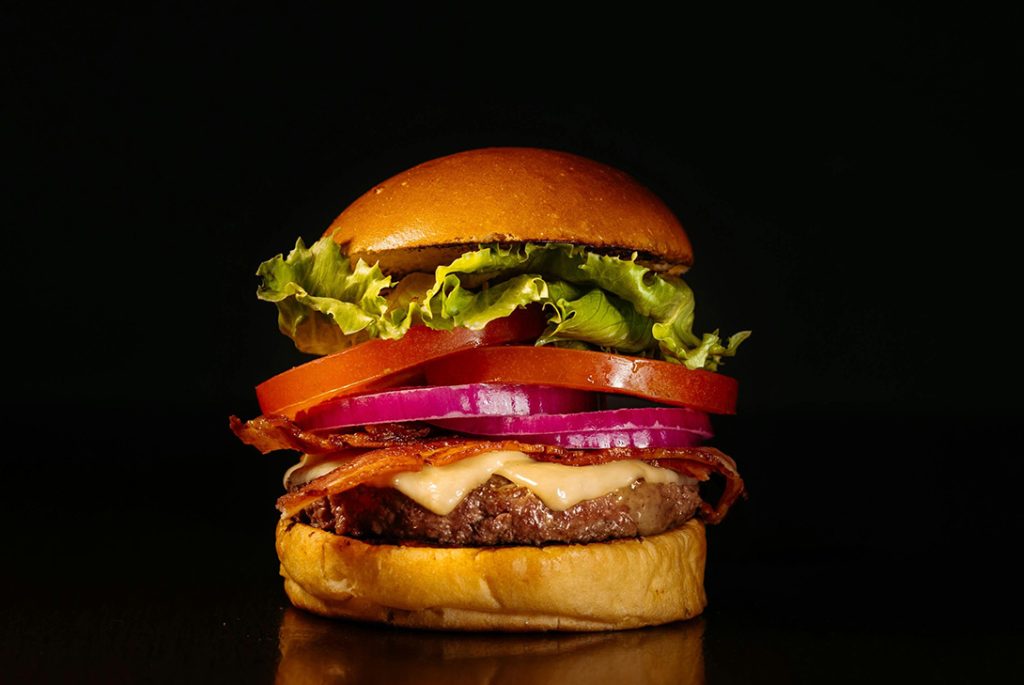
- Brioche – Rich, buttery, and slightly sweet.
- Potato Rolls – Soft, fluffy, and great for soaking up sauces.
- Kaiser Rolls – Firmer, ideal for larger patties.
- Pretzel Buns – Hearty and flavorful with a chewy texture.
Add a lettuce leaf, tomato slice, or cheese under the patty to create a barrier that keeps the bun from getting soggy.
Cheese Choices
Melted cheese is a staple of many burger styles. Place a slice on your burger during the last minute of cooking and cover with a lid to trap steam.
Great options include:
- Cheddar – Bold, sharp, and melts well.
- American – Creamy and classic.
- Swiss – Mild and nutty.
- Blue Cheese – Strong flavor for adventurous palates.
- Pepper Jack – Spicy and creamy.
Toppings
Toppings offer a way to personalize your burger. Combine textures (crispy, creamy, fresh) and flavors (sweet, spicy, tangy) for balance.
Popular toppings:
- Lettuce (romaine, iceberg, butter)
- Tomato slices
- Raw or caramelized onions
- Dill pickles
- Avocado or guacamole
- Crispy bacon
- Sautéed mushrooms
- Fried egg
Don’t overload—stack your burger thoughtfully for structural stability and better flavor.
Sauces and Condiments
The right sauce ties all the burger components together. Whether you prefer something tangy, creamy, or spicy, there’s a sauce to match your build.
Common burger condiments:
- Ketchup & Mustard – The classic pair
- Mayonnaise – Smooth and neutral
- BBQ Sauce – Sweet, smoky, and bold
- Spicy Aioli – Great for heat seekers
- Honey Mustard – A balance of sweet and tangy
For balance, use a thin layer on both the top and bottom bun. Too much sauce can overpower the burger or cause it to slip apart.
Burger Variations to Try at Home
Stuffed Burgers (Juicy Lucy)
Form two thin patties, place cheese or other fillings in between, and seal the edges. Cook a bit longer on lower heat to ensure the inside melts without overcooking the outside.
Smash Burgers
Start with a ball of beef, press it flat on a hot skillet, and cook quickly. This method creates a crispy crust and intense flavor from the Maillard reaction.
Sliders
Mini burgers, usually 2–3 inches wide, served on small buns. Perfect for parties, events, or when you want variety. Cook several at once and serve with assorted toppings.
Common Mistakes to Avoid
- Over-handling the meat – Leads to dense, chewy patties.
- Pressing the patty during cooking – Squeezes out juices.
- Using cold patties – Causes uneven cooking; let sit at room temp for 10–15 minutes.
- Overloading with toppings – Makes the burger messy and difficult to eat.
- Skipping the rest period – Results in dry burgers.
Storing and Reheating Leftovers
Leftover patties can be stored in an airtight container in the fridge for up to 3 days. To reheat:
- Stovetop: Use low heat with a lid.
- Oven: Wrap in foil and bake at 300°F for 10 minutes.
- Avoid microwave: Can make the patty rubbery and uneven.
Consider chopping leftovers into salads, wraps, or rice bowls for quick meals.
Boss Bites – Burgers, Wraps & More Serving the Kingsbridge Estates Community and Beyond in Sugar Land
Boss Bites – Burgers, Wraps & More is dedicated to serving the diverse needs of the local community of Sugar Land, including individuals residing in neighborhoods like Kingsbridge Estates. With its convenient location near landmarks such as the Houston Garden Centers
and major intersections like Old Richmond Rd & Burney Rd (coordinates:29.6684472, -95.64276249999999), we offer Sugar land burger joints services.
Get Sugar land burger joints Services at Kingsbridge Estates Now
Navigate from Kingsbridge Estates to Boss Bites – Burgers, Wraps & More Now
Conclusion:
Making a burger from ground beef is both simple and rewarding. With the right beef, careful handling, and thoughtful toppings, you can build burgers that are flavorful, juicy, and better than most takeout options. This guide gives you the flexibility to experiment while sticking to time-tested methods. Whether you’re going classic or exploring new burger styles, the key is paying attention to each detail.
Frequently Asked Questions (FAQs):
- Can I eat solid food like a burger right after a colonoscopy?
It’s best to start with light, easily digestible foods right after your colonoscopy. You can enjoy a burger a few hours later or the next day once your stomach feels normal and you’re no longer groggy from sedation. - How long should I wait before eating fast food after a colonoscopy?
You should wait at least a few hours post-procedure, especially if you’re experiencing bloating or cramping. Choose bland foods initially and reintroduce fast food or heavier meals gradually. - What type of burger is best to eat after a colonoscopy?
A lean, well-cooked burger with minimal toppings on a soft bun is best. Avoid spicy sauces, raw veggies, or greasy sides that may upset your stomach. - Is it okay to have burger catering for an event the day after a colonoscopy?
Absolutely! If you’re feeling well and have resumed normal eating, burger catering is a great way to celebrate. Boss Bites – Burgers, Wraps & More in Sugar Land offers customizable options for all diets. - What foods should I avoid after a colonoscopy?
Avoid greasy, spicy, or high-fiber foods immediately after. Foods like fried items, raw vegetables, beans, and dairy can cause bloating or discomfort.

Craving a Burger? Find Our Truck!
Check our location & grab a bite today!
or Contact Us at
(346) 622-9642