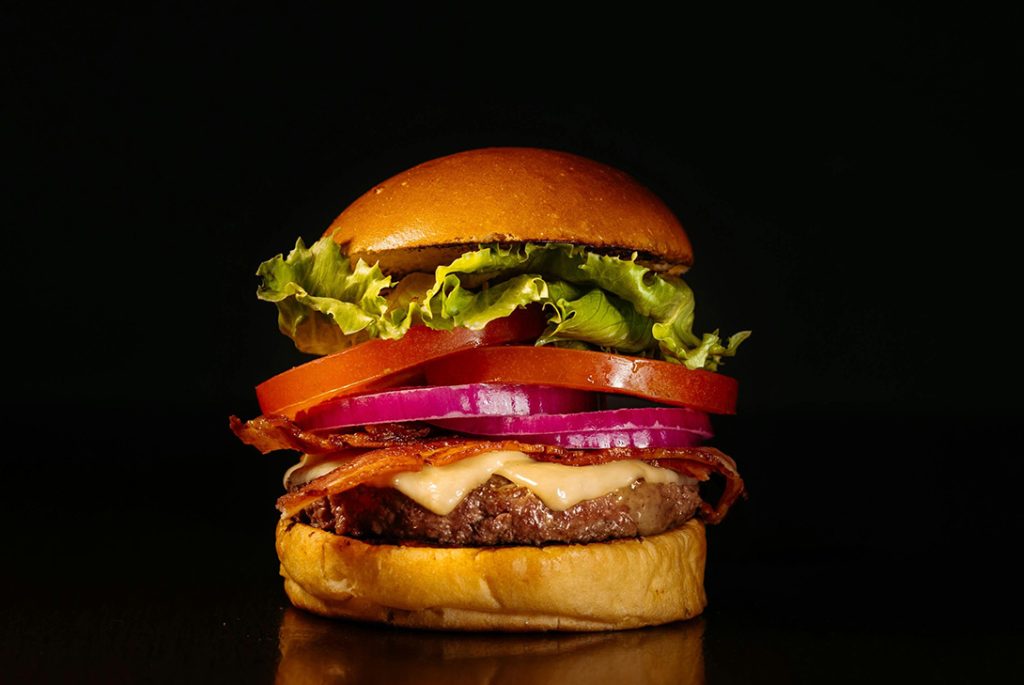
How to Make Burger Patties from Ground Beef
May 23, 2025
Making your own burger patties from ground beef gives you complete control over flavor, size, texture, and ingredients. Store-bought patties often contain fillers like breadcrumbs, soy protein, or added preservatives that can impact taste and quality. When you make them yourself, you’re working with pure beef, and you can adjust everything to suit your preferences—whether you’re aiming for a basic backyard burger or a gourmet-style meal. Additionally, homemade burgers are more cost-effective when feeding a group. You can buy ground beef in bulk, portion it yourself, and freeze any extras. Plus, if you have dietary needs—like low sodium, gluten-free, or keto—you can customize your recipe accordingly.
Choosing the Right Ground Beef
Why 80/20 Is the Go-To Choice
When making burger patties, fat content matters more than you think. Fat is what keeps the patty moist during cooking. Without enough fat, the burger can become dry, crumbly, or chewy—none of which make for an enjoyable eating experience.
An 80/20 lean-to-fat ratio is ideal for standard burgers because:
- The fat renders during cooking, keeping the patty juicy.
- It helps create a nice crust when seared.
- It contributes rich flavor without being overly greasy.
If you’re grinding your own meat at home, mixing chuck (for fat) with sirloin or brisket (for flavor) is a great strategy. For store-bought options, ground chuck is the easiest and most reliable choice.
Other Cuts to Consider
- Ground sirloin (90/10): Leaner but can be dry. Great if you’re watching fat intake.
- Ground round (85/15): A little more flavor than sirloin but still leaner than chuck.
- Ground brisket or short rib blends: Often used in high-end burgers for bold, beefy flavor.
When possible, avoid pre-formed patties labeled “lean” or “extra lean” unless you’re combining them with a higher-fat cut or planning to add fat another way (like butter).
How to Form Burger Patties
Temperature and Technique Matter
The goal when forming burger patties is to shape them just enough to hold together, without compressing the meat too tightly. Overhandling can activate the proteins in the meat, creating a rubbery or dense texture when cooked.
Step-by-Step Breakdown:
- Divide into portions: Start by dividing the meat into equal-sized balls, typically 4 to 6 ounces each. Use a kitchen scale for consistent sizing if you’re making several burgers.
- Gently roll and flatten: Lightly shape each portion into a loose ball, then press it flat into a patty about ¾ inch thick. Make sure it’s about 1 inch wider than the bun to account for shrinkage during cooking.
- Create a dimple: Use your thumb or the back of a spoon to make a slight indentation in the center. This keeps the patty from puffing up in the middle and helps it cook evenly.
- Even edges and thickness: Smooth the edges without over-compacting them. The more natural and loosely packed your patty is, the juicier it will remain.
Pro tip: Work quickly and keep the meat cold. Warm hands or room-temperature beef can lead to stickier, more difficult shaping.
To Season or Not to Season (Inside the Meat)?
Why Surface Seasoning Works Best
While it might seem logical to mix seasonings into the beef for even distribution, doing so can negatively affect texture. Salt begins breaking down muscle fibers the moment it contacts meat, so mixing it in too early can result in a dense patty.
Instead, season the exterior of each patty generously with:
- Kosher salt (more control than fine table salt)
- Cracked black pepper
- Optional dry seasonings like onion powder, garlic powder, smoked paprika, or cayenne for extra heat
If you want to add flavor inside the meat (like cheese-stuffed burgers or mixed-in onions), limit additions to ingredients that won’t alter texture. For a juicier patty, some chefs add a teaspoon of Worcestershire sauce or cold butter shavings to the center of the patty.
Cooking Methods for Burger Patties
Choose the Best Technique for Your Kitchen
Each cooking method brings out different textures and flavors. The good news is that anyone can cook a great burger—whether you have a backyard grill or just a stovetop and pan.
Grilling
Grilling gives you that classic char and smoky flavor many people associate with summer cookouts.
How to grill burger patties:
- Preheat the grill to medium-high heat (375°F–400°F).
- Clean and oil the grates with a paper towel dipped in oil and held by tongs.
- Place the patties on the grill and cook for 3–6 minutes per side depending on doneness.
- Close the lid to trap heat and smoke, and avoid pressing down on the patties with a spatula.
Why it works: High heat sears the outside, locking in juices and giving the burger those sought-after grill marks.
Pan-Frying
This is ideal for indoor cooking and produces a deep, even sear.
Steps for pan-frying:
- Use a cast-iron skillet or heavy non-stick pan.
- Heat over medium-high and add a small amount of oil (canola, vegetable, or clarified butter).
- Place the patty in the pan and sear for 4–5 minutes on each side.
- Optional: Cover with a lid for part of the cooking process to help cook through.
Added bonus: You can capture the flavorful brown bits (fond) left in the pan to make a quick pan sauce or to toast buns.
Broiling
If you don’t have access to a grill, broiling mimics the effect by using direct high heat from above.
Steps to broil:
- Preheat broiler on high.
- Place patties on a foil-lined tray or broiler pan.
- Broil 4 inches from the heat source for 4–6 minutes per side.
- Keep a close eye to avoid burning.
Why choose broiling: It’s a solid option for those who want grilled-style burgers indoors with minimal cleanup.
How to Know When It’s Done
Use a Thermometer for Accuracy
Instead of guessing, use a meat thermometer to avoid undercooking or overcooking.
| Doneness | Internal Temp | Color |
| Rare | 120–125°F | Cool red center (not recommended for ground beef) |
| Medium-Rare | 130–135°F | Warm red center |
| Medium | 140–145°F | Warm pink center |
| Medium-Well | 150–155°F | Slightly pink center |
| Well-Done | 160°F+ | Fully cooked, no pink |
For food safety, especially with store-bought beef, it’s best to cook burgers to 160°F.
Topping and Bun Tips for Better Burgers
Toppings can turn a good burger into a great one. Here are a few key ideas to elevate the final result:
Best Buns for Burgers:
- Brioche buns: Buttery and soft, adds richness
- Potato buns: Slightly sweet, holds up to juicy patties
- Sesame buns: Classic option, adds texture
Toasting Tip: Toast the cut side of the bun in butter or on the grill to prevent sogginess and add flavor.
Creative and Classic Toppings:
- Cheeses: American, cheddar, Swiss, pepper jack, blue cheese
- Vegetables: Lettuce, tomato, onion (raw or caramelized), pickles
- Extras: Bacon, avocado, sautéed mushrooms, fried egg
- Condiments: Ketchup, mustard, mayo, aioli, BBQ sauce, hot sauce
Mix and match based on your preferences—burgers are one of the most customizable meals.
Boss Bites – Burgers, Wraps & More Serving the Village of Oak lake Community and Beyond in Sugar Land
Boss Bites – Burgers, Wraps & More is dedicated to serving the diverse needs of the local community of Sugar Land, including individuals residing in neighborhoods like Village of Oak lake. With its convenient location near landmarks such as the Family Life Church and major intersections like Oleta Ln & Old Richmond Rd (coordinates: 29.654955768542234, -95.66345985618058), we offer burger catering Sugar land services.
Get burger catering Sugar land Services at Village of Oak lake Now
Navigate from Village of Oak lake to Boss Bites – Burgers, Wraps & More Now
Final Thoughts
Making burger patties from ground beef is simple, but mastering the technique ensures your burgers are juicy, flavorful, and satisfying every time. With attention to meat choice, seasoning, shaping, and cooking methods, you can consistently produce high-quality burgers right in your own kitchen. Whether you’re making a quick weeknight dinner or planning a backyard barbecue, following these steps will help you create burgers that people remember—and come back for.
FAQs
- What is the best type of ground beef for making burger patties?
The best ground beef for juicy burgers is 80/20, which means 80% lean meat and 20% fat. This ratio ensures the right balance of moisture, flavor, and texture. - Should I season the inside of the burger patties?
No. It’s best to season the outside of the patties right before cooking. Salting the inside can break down the meat’s texture and lead to a dense or rubbery burger. - Why should I make a thumbprint in the center of the patty?
Creating a small dimple in the center helps the burger cook evenly and prevents it from puffing up in the middle. - How do I keep burger patties from falling apart?
Use cold ground beef, avoid overhandling it, and shape the patties gently. Avoid adding eggs or breadcrumbs unless you’re making meatloaf-style burgers. - Can I freeze homemade burger patties?
Yes, uncooked patties freeze well. Place them in a single layer on a tray, freeze until solid, then store in airtight freezer bags for up to 3 months.

Craving a Burger? Find Our Truck!
Check our location & grab a bite today!
or Contact Us at
(346) 622-9642